
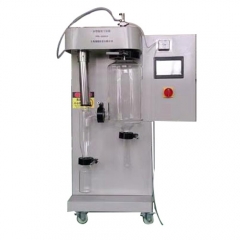
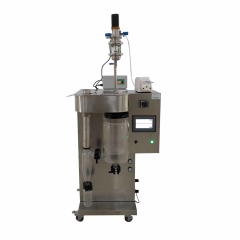
High quality 1.5L scale lab spray dryer equipment
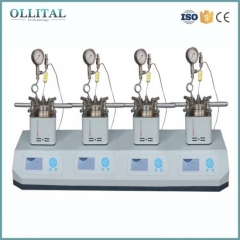
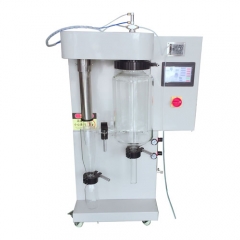
Lab scale spray dryer is suitable for the production of in universities, research institutes and food and pharmaceutical chemical enterprises.
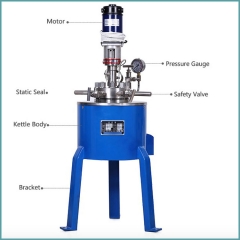
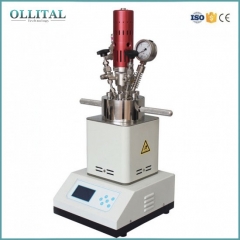
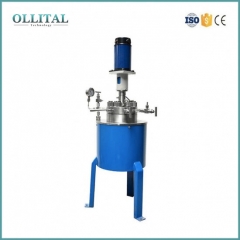
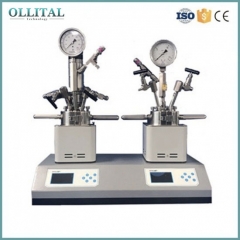
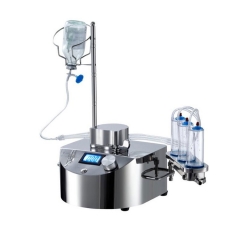
As the printing industry continues to evolve toward higher quality, greater efficiency, and environmental sustainability, the consumption of organic solvents by enterprises keeps rising. Processes such as packaging, label, flexographic, gravure, and screen printing all require substantial quantities of solvents for ink dilution, equipment cleaning, and production maintenance. However, the disposal of waste solvents has long been a significant challenge for printing companies.
In recent years, solvent recovery machines—leveraging efficient distillation and advanced vacuum distillation purification technologies—have enabled printing enterprises to recycle waste solvents, lower operating costs, and reduce hazardous waste emissions. By comprehensively addressing various operational pain points and empowering sustainable development, these machines have become indispensable equipment for modern printing facilities.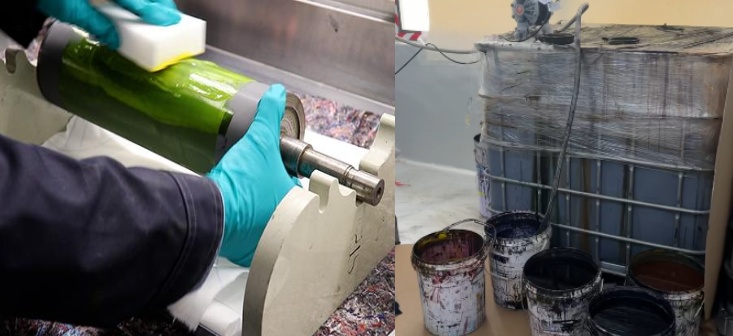
Solvent procurement and waste solvent disposal have long been two major cost drivers for printing plants. In traditional operations, waste solvents generated from equipment cleaning and ink mixing—despite containing significant amounts of reusable components—are typically treated as hazardous waste and sent to third parties for disposal at a cost. Simultaneously, companies must continuously purchase fresh solvent to maintain production; this dual financial burden severely squeezes the printing industry's already thin profit margins.
Solvent recovery machines utilize distillation principles to precisely separate and remove contaminants—such as ink residues, moisture, and dust—from waste solvents, yielding purified, high-quality solvent. The recovered solvent offers stable performance and can be directly reused in standard production processes like ink thinning and equipment cleaning. With a recovery rate exceeding 80%, these machines are perfectly suited for the various organic solvents commonly used in the printing industry.
On one hand, this significantly reduces the volume of fresh solvent purchased, directly lowering raw material costs. On the other, it minimizes waste solvent generation at the source, drastically cutting the high expenses associated with the transport and disposal of hazardous waste. Most printing plants can recoup their investment in the equipment within just a few months; the long-term cost savings are substantial, effectively boosting corporate profitability.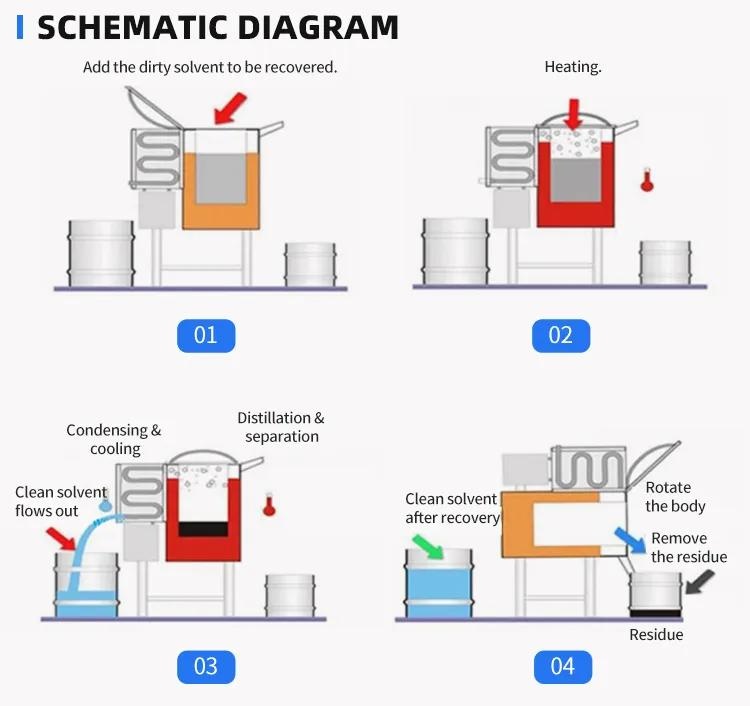
Many mistakenly believe that recycled solvents compromise print quality; in reality, properly purified recycled solvents offer consistent purity and stable performance, fully meeting the demands of standard printing operations. Compared to some low-cost, inferior virgin solvents, recycled solvents—purified via professional distillation equipment—contain fewer impurities and maintain more stable compositions. They effectively prevent quality issues such as ink clumping, color variations, plate blemishes, and registration errors caused by excessive impurities, thereby increasing the yield rate of finished prints.
Furthermore, the high level of automation allows the system to integrate with the cleaning equipment on the printing line, enabling the automatic collection, purification, and reuse of waste solvents. This eliminates the need for manual handling, sorting, and processing, thereby reducing labor costs while preventing solvent waste and secondary pollution associated with manual handling. This streamlined, efficient closed-loop model simplifies production workflows, stabilizes the workshop's production pace, and effectively boosts overall productivity.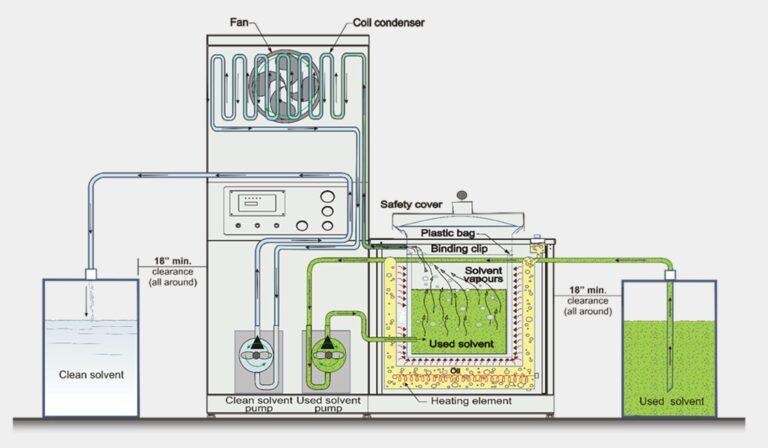
When selecting a solvent recovery machine for a printing plant, several factors should be comprehensively considered, including the daily volume of waste solvent generated, the types of solvents used, safety requirements, and production efficiency. First, the equipment capacity should be matched to the daily volume of waste solvent to be processed; common specifications include 15 L, 30 L, 60 L, 120 L, and 200 L, ensuring the equipment meets production needs while remaining cost-effective. Since solvents commonly used in the printing industry—such as isopropyl alcohol (IPA), ethyl acetate, toluene, and MEK—are flammable liquids, the equipment must be equipped with explosion-proof motors, explosion-proof control systems, and comprehensive safety protection devices to ensure operational safety. Additionally, a high-efficiency condensation system that rapidly converts solvent vapor into liquid helps increase solvent recovery rates, shortens processing time per batch, and improves equipment utilization. It is also advisable to choose equipment equipped with a PLC intelligent control system; this enables features such as automatic temperature control, automatic distillation, automatic shutdown, and fault alarms, thereby reducing manual intervention and enhancing operational stability. Finally, ease of maintenance should be a priority; selecting models with easy-to-clean distillation tanks, convenient residue disposal, and simple routine maintenance requirements helps lower maintenance costs and extend the equipment's service life, providing a reliable foundation for safe, efficient, and economical solvent recycling in printing enterprises.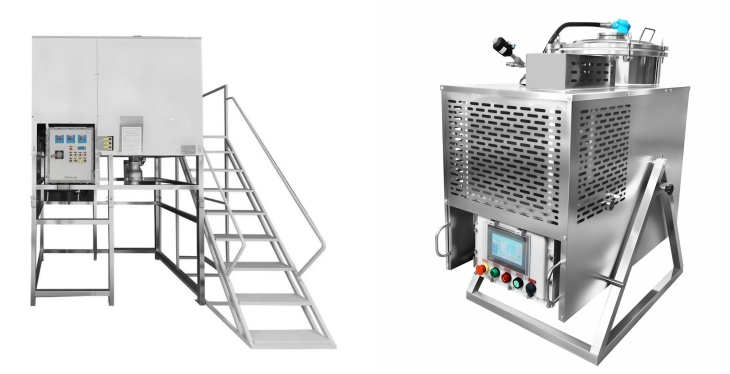
Amidst increasingly stringent environmental regulations, rising raw material costs, and intensifying market competition, traditional practices regarding single-use solvents can no longer meet the demands of modern printing enterprises for cost control, regulatory compliance, and sustainable development. Solvent recovery machines are not merely environmental protection devices; they are vital production auxiliaries that enhance operational efficiency and market competitiveness. By efficiently distilling and recovering waste solvents to enable resource recycling, enterprises can significantly cut costs associated with purchasing fresh solvents and disposing of hazardous waste, while simultaneously reducing volatile organic compound (VOC) emissions and mitigating environmental and safety risks—all without compromising cleaning performance or production stability. For printing enterprises striving to reduce costs, boost efficiency, adopt green manufacturing, and achieve high-quality growth, investing in an efficient, safe, and intelligent solvent recovery machine offers substantial economic benefits; it also facilitates green production and sustainability, securing a long-term competitive advantage in a fierce market landscape.



 un service en ligne
 +86 15960821529
 kevin@ollital.comkevinollital@gmail.com
 +86 15960821529
 +8615960821529


