
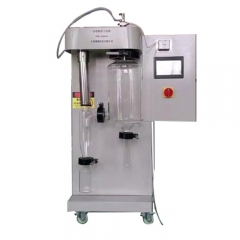
High quality 1.5L scale lab spray dryer equipment
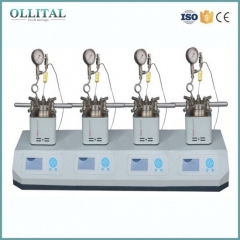
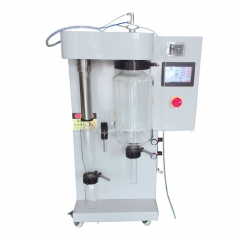
Lab scale spray dryer is suitable for the production of in universities, research institutes and food and pharmaceutical chemical enterprises.
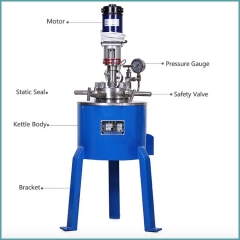
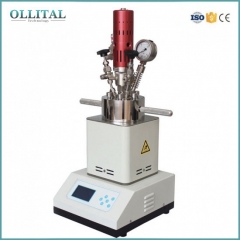
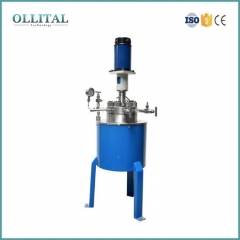
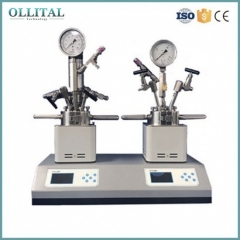
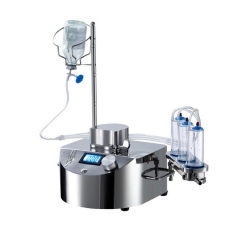
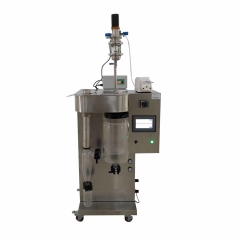
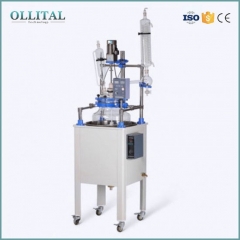
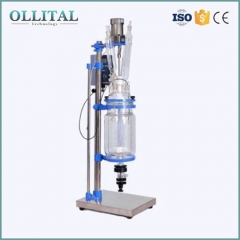
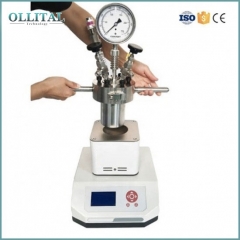
When shopping for a spray dryer machine, it is easy to focus on evaporation capacity, inlet temperature, and final powder quality. But there is another question worth asking before comparing specifications: Are you drying a water-based solution or a liquid containing organic solvents?
The answer can determine which type of spray drying system you need. A standard spray dryer may be suitable for aqueous materials, while solvent-based applications can require a specially designed system with additional safety measures.
A standard spray dryer is generally designed for water-based feeds, such as solutions, emulsions, and suspensions. The liquid is atomized into fine droplets, which come into contact with hot drying air. Moisture evaporates rapidly, leaving dry particles that are collected through a cyclone separator or another suitable collection system.
These machines are commonly used in food research, material science, ceramics, and laboratory development.
If your feed uses water as its primary solvent, a standard configuration may be a practical starting point. However, the material's composition, operating temperature, and exhaust requirements should still be reviewed before selecting a model.
One important distinction: a standard spray dryer should not automatically be assumed suitable for liquids containing flammable organic solvents.
An organic solvent spray dryer is designed for applications involving solvents such as ethanol, methanol, acetone, or other organic liquids.
Unlike water, many organic solvents are volatile and flammable. During spray drying, they can evaporate rapidly and form vapors that may create fire or explosion hazards if the equipment is not designed for the application.Depending on the solvent and process conditions, a suitable system may require a closed-loop configuration, inert gas circulation, solvent condensation and recovery, oxygen monitoring, and appropriately engineered electrical and mechanical components.
The exact configuration depends on the solvent's properties, feed concentration, operating conditions, and applicable safety requirements. An ordinary laboratory spray dryer should not be used with flammable solvents unless the manufacturer has confirmed that the complete system is suitable for that specific application.
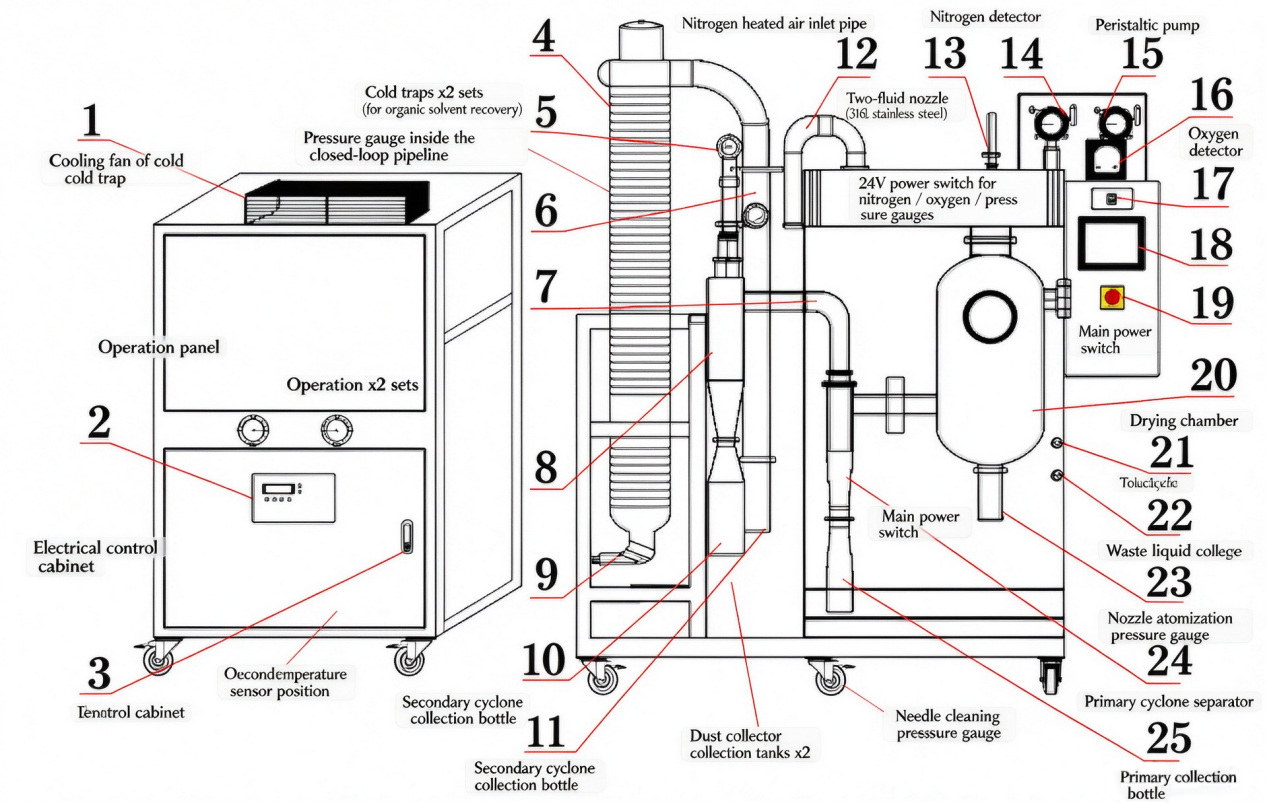
The main difference is not simply the drying temperature. It is how the system manages the solvent and the risks associated with its evaporation.
Feed material: Standard systems commonly handle water-based solutions; solvent-compatible systems handle specified organic solvent feeds.
Safety design: Solvent applications may require specialized measures to manage flammable vapors and ignition risks.
Gas handling: A standard dryer typically uses a hot-air drying stream, while some solvent systems use a closed loop with an inert gas.
Solvent recovery: Depending on the process, a solvent spray dryer may include a condenser and solvent collection unit.
System cost: Additional safety equipment and solvent recovery can increase the initial investment and operating complexity.
Not every organic solvent application requires the same design. Equipment selection must be based on the actual process rather than the solvent name alone.
Before requesting a quotation, prepare a few key details:
The solvent name and its concentration in the feed.
The feed volume or required evaporation rate.
The target inlet and outlet temperatures.
The desired powder properties and final moisture content.
Whether solvent recovery is required.
The installation location and applicable safety standards.
Providing this information helps the supplier assess the process and recommend an appropriate configuration.
If you are drying a water-based material, a standard spray dryer may be sufficient. If your formulation contains volatile or flammable organic solvents, you need to determine whether a dedicated organic solvent spray dryer is necessary.
The safest and most cost-effective choice is the one designed around your actual solvent, process conditions, and production goals. Before placing an order, confirm the suitability of the complete system with the equipment manufacturer rather than relying on a product description alone.



 un service en ligne
 +86 15960821529
 kevin@ollital.comkevinollital@gmail.com
 +86 15960821529
 +8615960821529


